
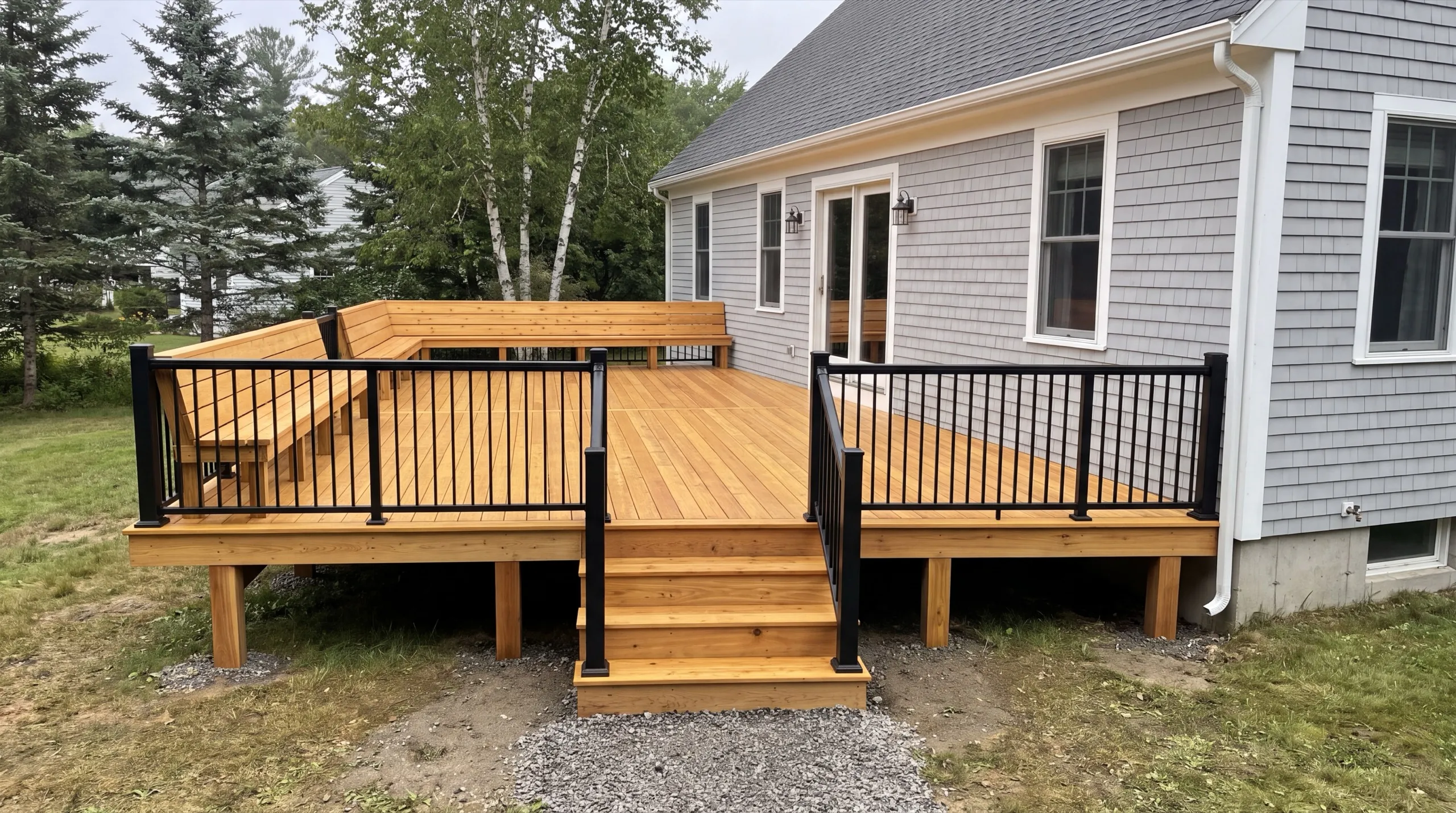
Find a Premium Deck Builder | Seth's Home Pros
A good deck builder handles the two details behind nearly every deck failure without being asked. Most homeowners never inspect either one.
We match you with three who do.
- 100% free for homeowners
- Same-day response before 5pm
- 10-step contractor vetting
Most deck failures start at two spots nobody looks at: the ledger board bolted to the house, and the footings under it. Flash the ledger wrong and water runs behind it into your rim joist for years before a soft floor gives it away.
A deck here holds snow all winter, and drifting piles it deepest right where the deck meets the house. That is real structural weight, so framing and hardware have to be sized for it, and footings have to sit below the frost line or the whole thing lifts and settles twelve times a season.
The state sets no bar a deck builder has to clear before picking up a hammer, so our ten-step screening covers insurance, references, financial stability and work history instead. You get three builders quoting the same scope, and the introduction costs you nothing.
How do you hire a deck builder without getting burned?
- Ask how he flashes the ledger. If the answer is vague, keep looking. This is the question.
- Ask how deep the footings go and whether that's below frost for your town.
- Get three quotes. Deck quotes vary mostly on framing quality and material, and those are exactly what a low bid economizes on.
- Confirm the permit. Most towns require one for a deck above a certain height or size, and an unpermitted deck is a problem when you sell.
- Get it in writing. The law requires a written contract above $3,000 in labor and materials. The Attorney General's office publishes a free model contract.
- Watch the deposit. State law caps the initial down payment at one-third of the contract price.
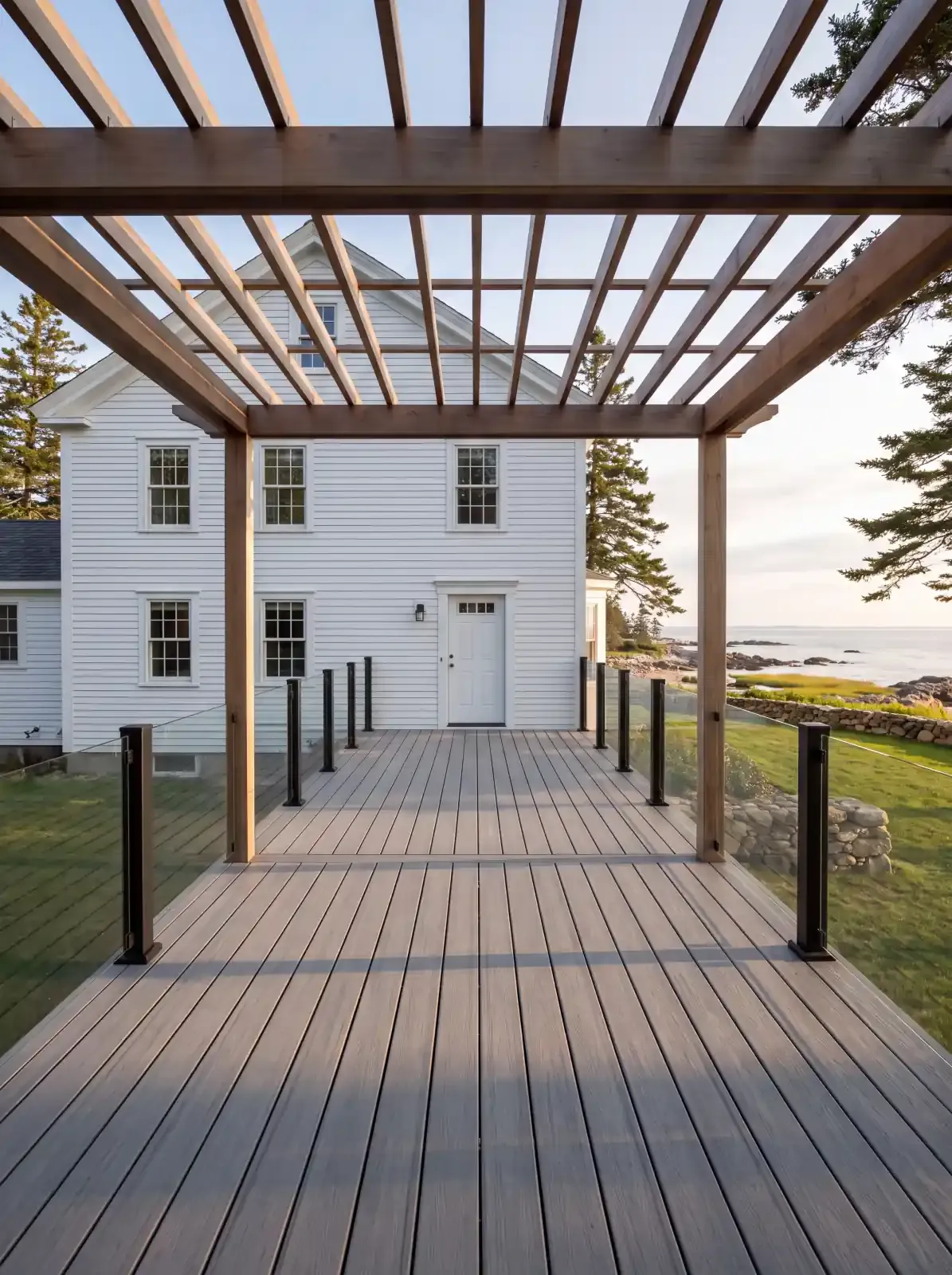
How much does a deck cost?
Recent quote ranges from our network:
| Deck | Range | Timeline |
|---|---|---|
| Small pressure-treated, ground level (under 150 sq ft) | $10,000 – $22,000 | 1 – 2 weeks |
| Medium, cedar or composite (150–300 sq ft) | $22,000 – $48,000 | 2 – 4 weeks |
| Large composite with railings and stairs (300–500 sq ft) | $40,000 – $75,000 | 3 – 5 weeks |
| Raised, multi-level, or with pergola and screened section | $65,000 – $100,000+ | 4 – 7 weeks |
A GC's fee typically runs from 10% to 20% of the project cost.
Height affects cost more than square footage. A raised deck requires larger footings and additional structure.
Code-compliant railings and stairs add more, so a small deck ten feet above ground can cost more than a large deck at grade.
Full breakdown: what it costs to build a deck, line by line.
Other work our contractors do
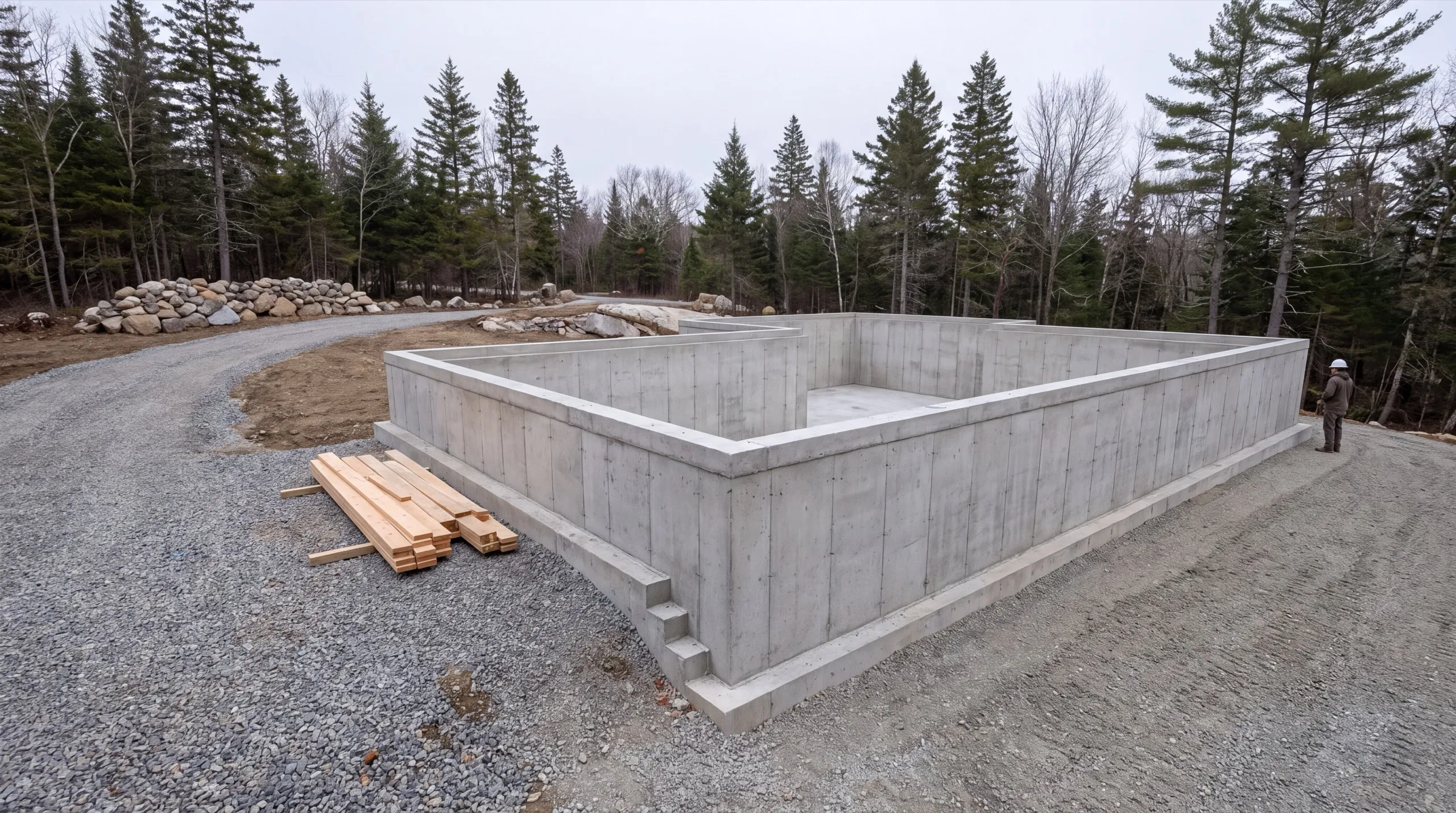
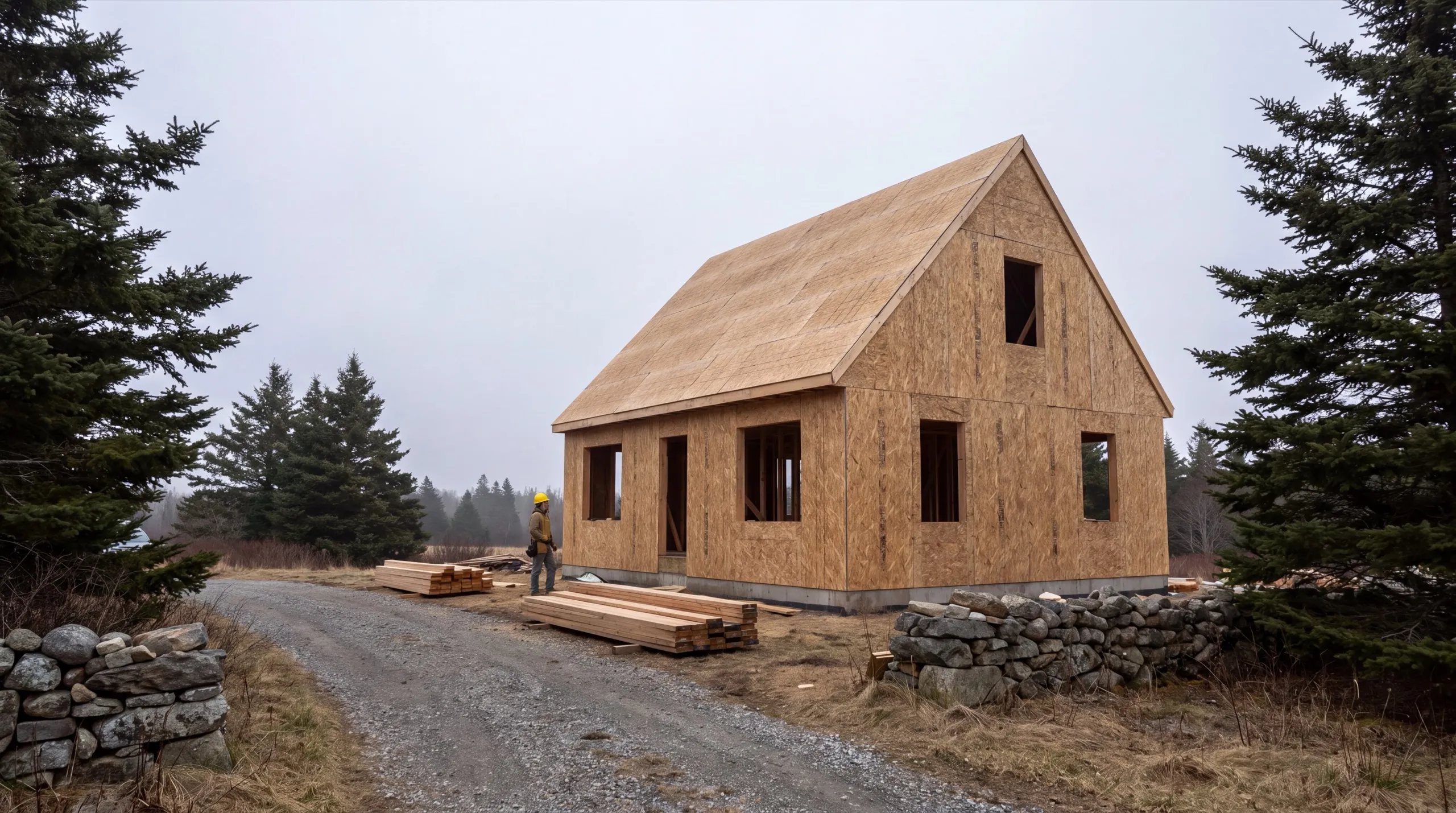
Where do our deck builders work?
The service area covers all 30 towns. Salt air drives material and fastener selection, so a deck facing open water needs a different specification from one built well back from the shore.
Near salt water the right call is stainless fasteners and connectors, not the hot-dip galvanized hardware that holds up fine on a sheltered lot.
That one line item decides whether the connections stay tight or bleed rust down the framing inside a few seasons. Ask which one your quote is priced around.
- Portland, ME
- South Portland, ME
- Scarborough, ME
- Freeport, ME
- Biddeford, ME
- Sanford, ME
- Saco, ME
- Westbrook, ME
- Kennebunk, ME
- Windham, ME
- Gorham, ME
- York, ME
- Falmouth, ME
- Wells, ME
- Standish, ME
- Kittery, ME
- Cape Elizabeth, ME
- Old Orchard Beach, ME
- Augusta, ME
- Belgrade, ME
- Bangor, ME
- Lewiston, ME
- Auburn, ME
- Sidney, ME
- Waterville, ME
- Skowhegan, ME
- Conway, NH
- Rochester, NH
- Dover, NH
- Portsmouth, NH
What holds a deck to the house and the ground?
Decking rarely causes the failure. The two hidden connections do.
The ledger. That's the board bolting your deck to the house, and it carries an enormous share of the load. Two things go wrong with it. It gets fastened with the wrong hardware, or it gets installed without proper flashing.
Flashing matters most in a wet, freeze-thaw climate. A poorly flashed ledger lets water run behind the board and into your home's rim joist.
You won't see it. This can continue for years.
Once the floor inside feels soft, the repair involves your home's structure, not only the deck.
When decks collapse, the ledger is almost always where they fail. It's the most important detail on the project, yet doing it correctly costs almost nothing.
The footings. Same frost problem as everything else here. Footings set above the frost line heave, and a heaving deck racks, opens gaps, pulls at the ledger, and eventually makes the stairs and railings unsafe.
Ask each deck builder how he flashes a ledger. Then ask how deep his footings go.
Both answers should be immediate and specific.
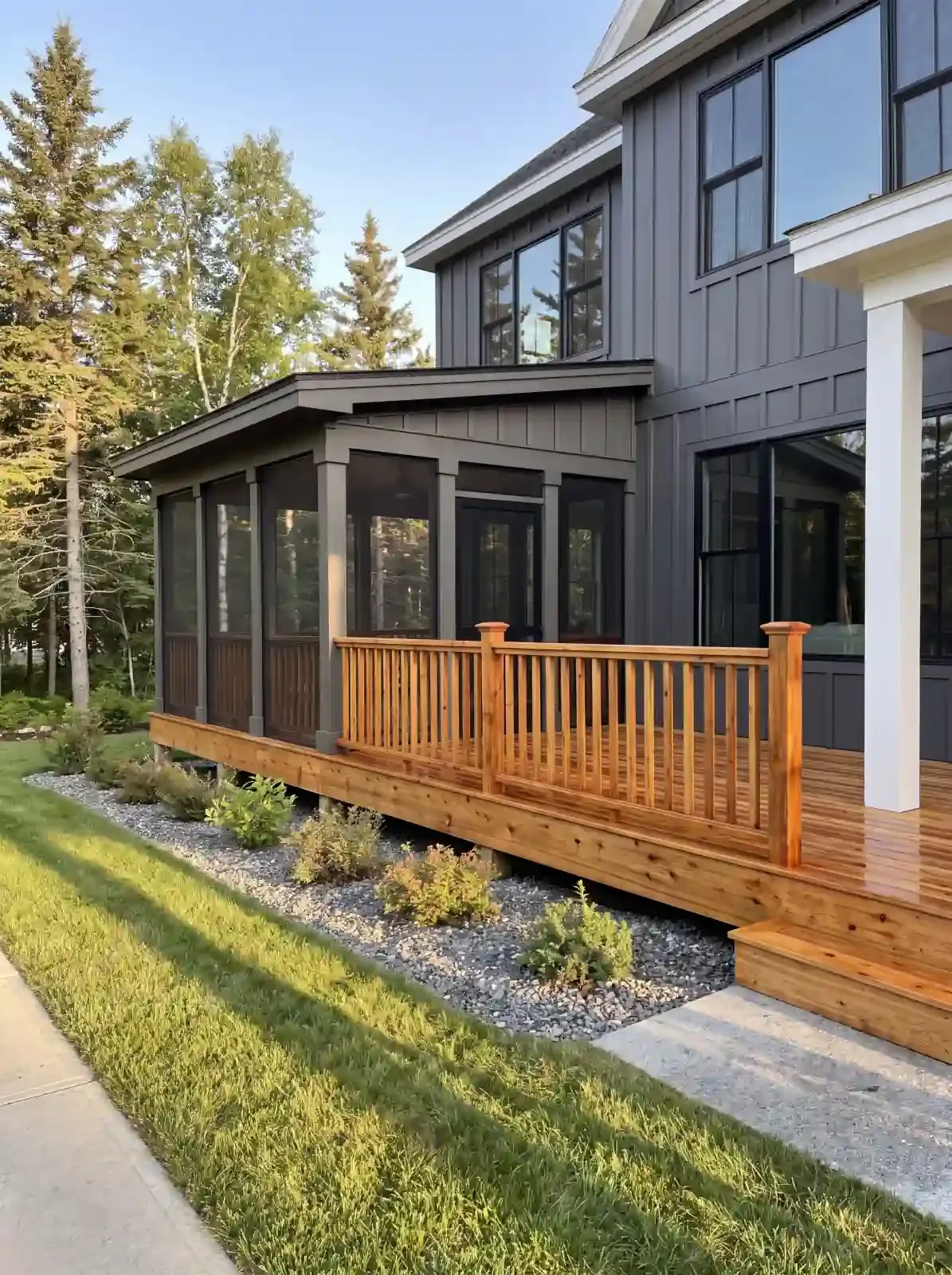
This is for people replacing a twenty-year-old deck that feels springy. It's also for homeowners adding outdoor living space where none existed before.
Replacement is more common, usually because the boards have gone soft. Frankly, re-decking without inspecting framing of the same age is a bad bet.
Footings and framing. Ledger and flashing.
Decking and railings. Stairs, plus anything built on top, such as seating or lighting.
That may also include a pergola or screened section, or a pad for a hot tub.
Material drives the budget.
Pressure-treated is the cheapest, and it holds up fine if it's maintained. It also moves, checks, and needs re-sealing on a schedule most people don't keep.
Cedar looks better and weathers gracefully, at more money, and it still wants maintenance.
Composite and PVC cost the most up front and cost the least afterward. In a cold climate, where a wood deck spends five months under snow and ice and gets sun-baked for three, that trade favors composite more than it does somewhere mild.
Everyone calls in May. That's the problem.
Good deck builders fill their schedules in late winter. Homeowners who wait for nice weather compete for the remaining openings.
For a summer deck, call in February or March.
Fall can also be a good time to build. Crews have more availability, and working conditions are often better than in July.
You'll also be ready when spring arrives.
Footing work requires thawed ground. It typically begins in April along the coast and May inland.
Snow load. Freeze-thaw.
Your deck carries snow throughout winter, adding structural weight that the framing must support. Drifting against the house concentrates that weight where the ledger already carries the most.
Freeze-thaw works on every connection and fastener. It also moves each footing, sometimes twelve times in one winter.
Hardware suited to a mild climate loosens here.
And the licensing fact: No state license exists for general contractors or builders, only for plumbers and electricians. There's no deck builder license to check. Insurance, references, financial stability, and reputation are checkable, and that's what our 10-step process checks.
The 10-step vetting process
company, crew size, service area, project types, capacity, pricing posture.
years in business, structure, ability to carry materials and labor, supplier payment history.
general liability and workers' comp certificates pulled and stored.
past homeowners, subs, and suppliers. Minimum three, not only the ones they pick.
Google, Facebook, BBB, local word of mouth, complaint and dispute search.
completed work, in person or in detailed photo and video.
speed of reply, clarity of writing, handling of a difficult question.
Contractor agreement signed
first projects watched closely, homeowner feedback gathered actively.
underperformers come out of the network.
What else do people ask about hiring a deck builder?
Do I need a permit for a deck?
Usually, above a certain size or height. Thresholds vary by town, so check with your code office.
Composite or pressure-treated decking?
Composite costs more up front and less over time. In a climate with five months of snow load and heavy freeze-thaw, that trade favors composite more than in milder states.
How long does a deck last?
A well-built pressure-treated deck with maintenance, roughly 15 to 20 years. Composite decking lasts longer, but the framing underneath is still wood and ages on its own schedule.
Can I just replace the decking and keep the frame?
Sometimes. Get the framing, ledger, and footings inspected first. Putting new decking on failing structure is money spent on the wrong thing.
Does Seth's Home Pros build decks?
No. We're not a contractor. We make the introduction and the contract is between you and the builder.
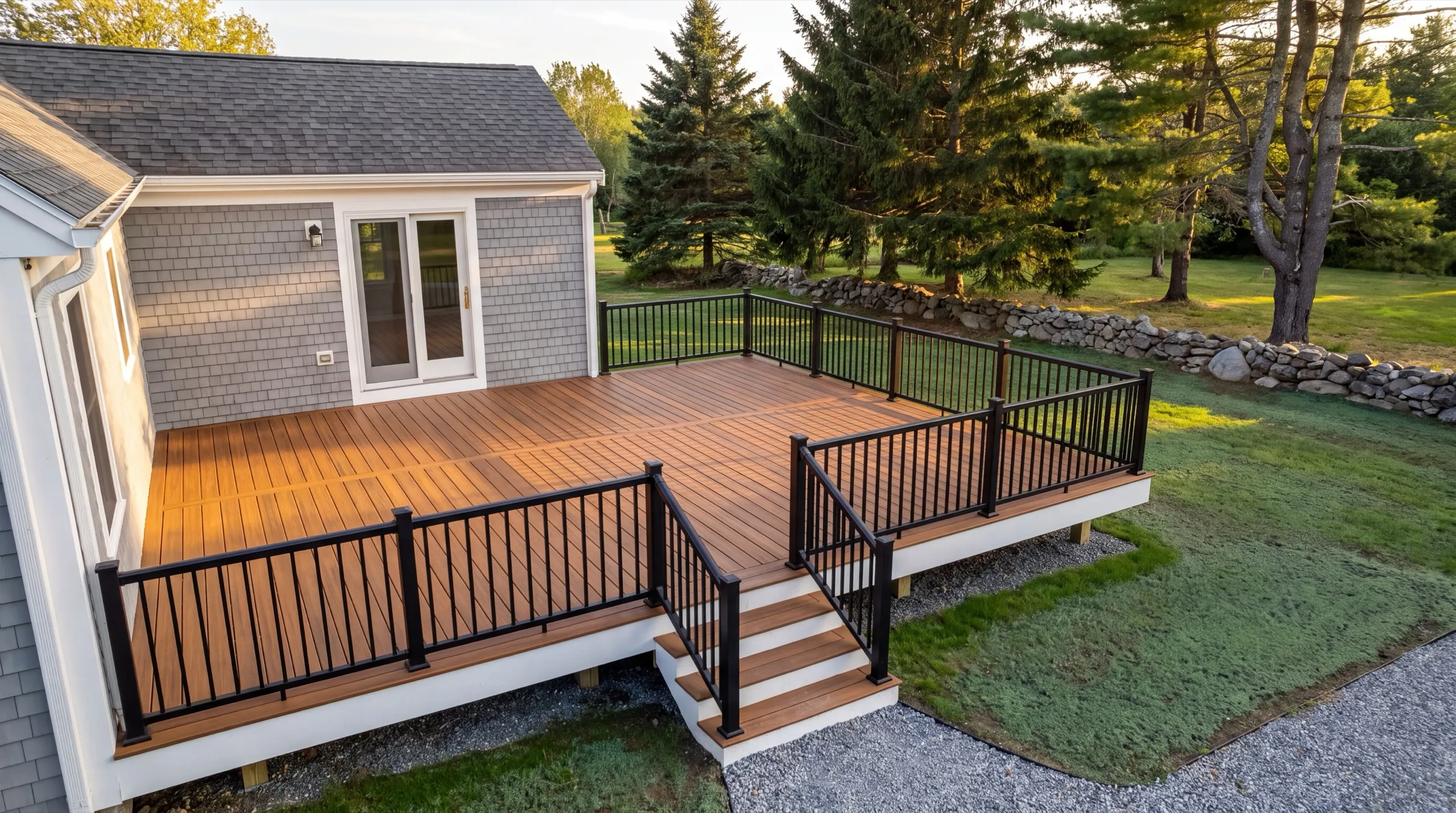
Ready for three quotes from vetted deck builders?
Tell us the size and height off the ground. And the town.