
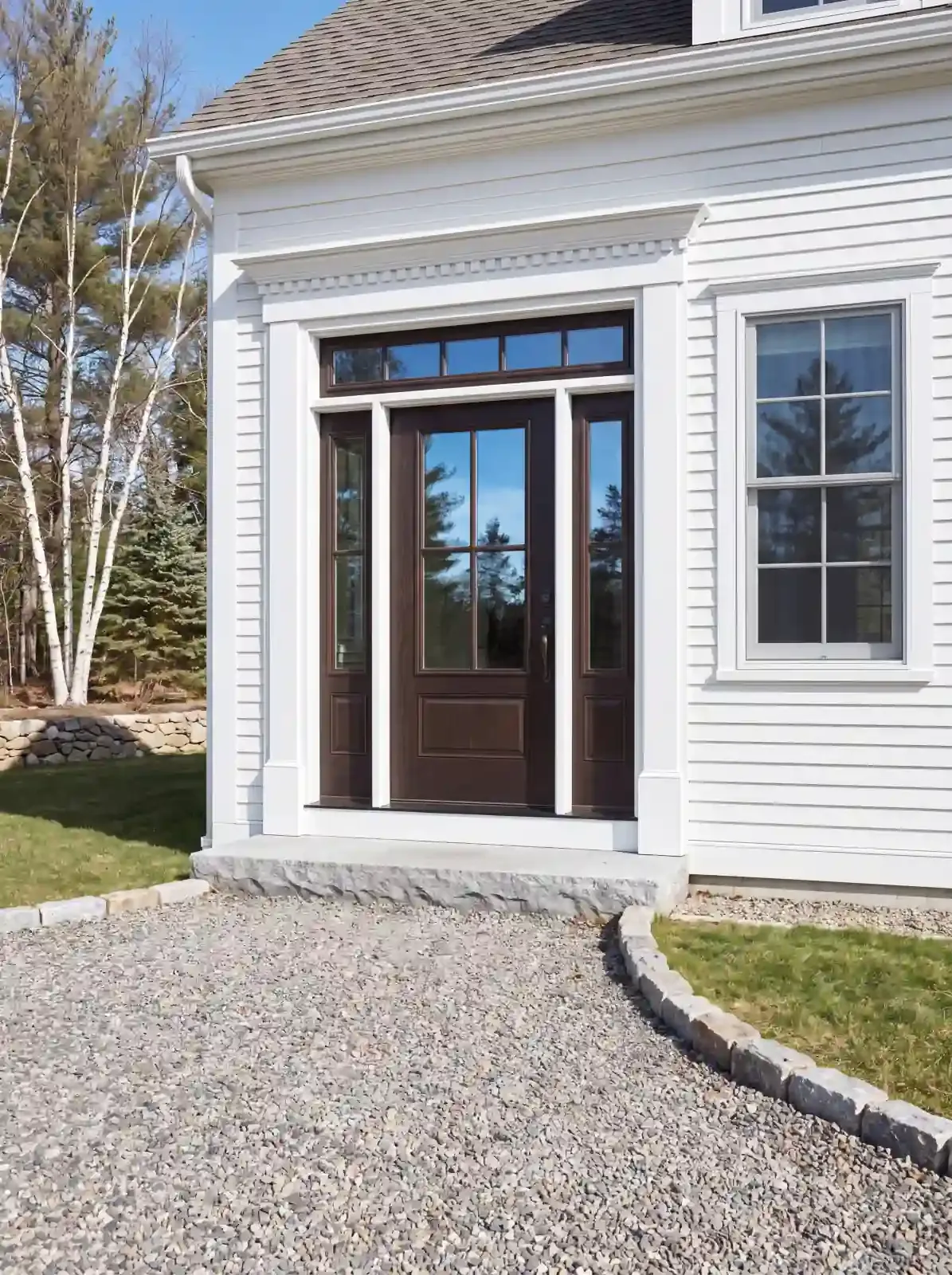
Get 3 vetted & insured Maine window installers. What's your project?
You can buy the best window made and still get a draft and a stain on the drywall. In this trade, the install matters more than the label.
We match you with three window and door contractors who install properly.
- 100% free for homeowners
- Same-day response before 5pm
- 10-step contractor vetting
A window is a hole in your wall, so every installation is really a waterproofing detail. The brand on the sticker matters far less than how the crew flashes the opening, and that difference shows up years later as a stain on the drywall or a soft sill.
Good crews pull the old unit out and actually look at what is behind it. Rot in the sill, framing or sheathing is common in older houses, and a bidder who never priced that possibility has to cut a corner somewhere to keep the number.
We learn your project, then introduce three contractors from our network who quote the same scope: replacement windows, entry and patio doors, or a new opening cut into an existing wall. The introduction costs you nothing. Ask each one for the U-factor on the exact units quoted, because a heating season that runs most of the year turns that number into real money.
How do you hire a window and door contractor?
- Ask what happens if they find rot in the rough opening. A quote with a unit price for repair is an honest quote.
- Ask him to describe the flashing sequence. A real installer will answer immediately.
- Ask for U-factors, not brand names.
- Get three quotes and compare unit counts and sizes, not just totals. Quotes frequently differ in what's included.
- Check historic district status before ordering anything, if you're in one.
- Ask about lead-safe certification on a pre-1978 home.
- Get it in writing. State law requires a written contract above $3,000 in labor and materials. The Attorney General's office publishes a free model contract.
- Watch the deposit. That same law caps the initial down payment at one-third of the contract price. Window jobs often ask for material deposits, and that cap still applies.
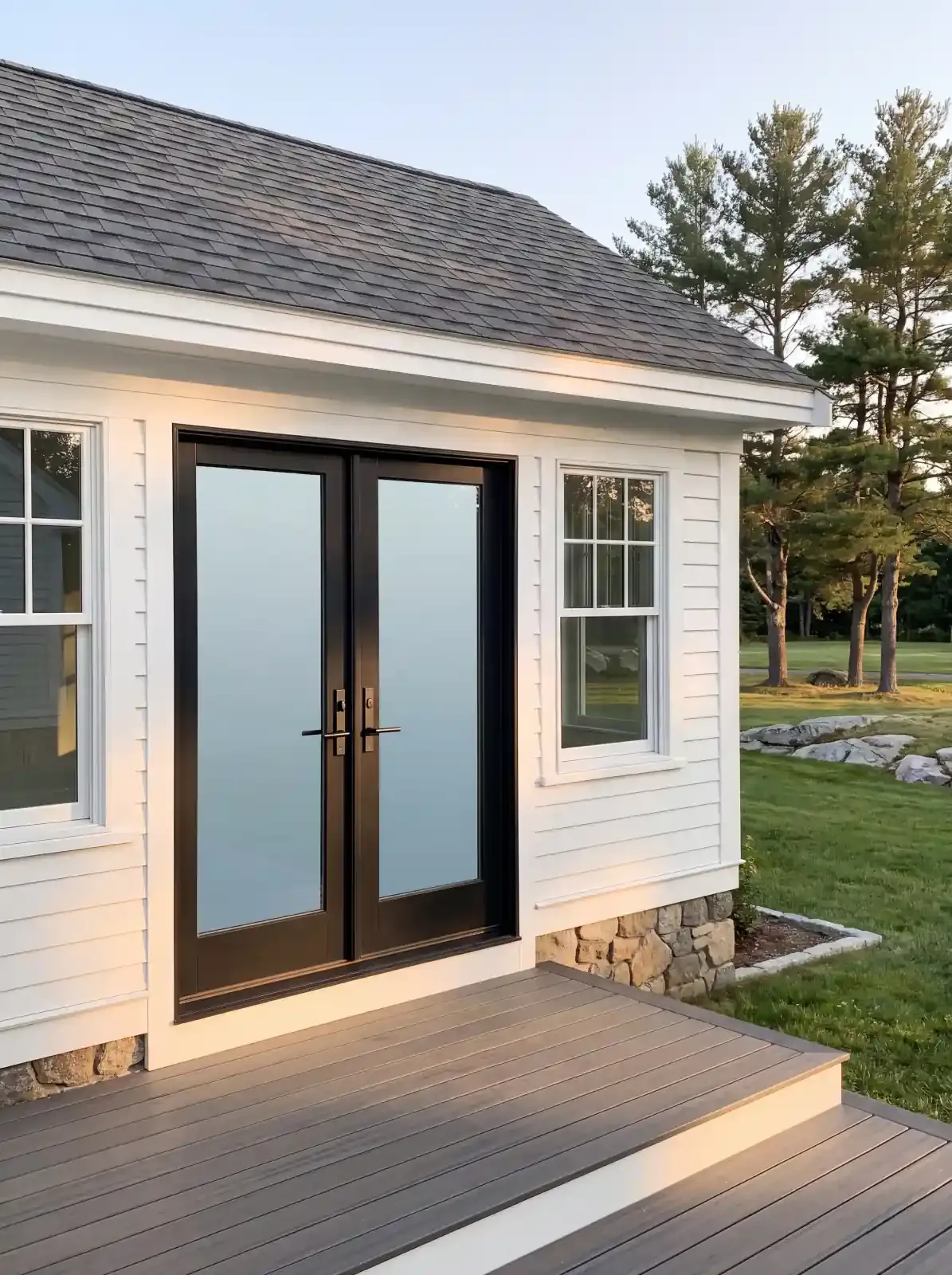
How much do windows and doors cost?
Ranges from recent quotes across our network:
| Project | Range | Timeline |
|---|---|---|
| 1–5 windows replaced | $5,000 – $15,000 | 1 – 3 days |
| 6–10 windows replaced | $12,000 – $30,000 | 3 – 7 days |
| Whole-house replacement (15–25 windows) | $28,000 – $65,000 | 1 – 3 weeks |
| Entry door replacement | $3,500 – $12,000 | 1 – 2 days |
| Patio slider or French doors | $5,000 – $16,000 | 1 – 3 days |
A GC’s fee typically runs from 10% to 20% of the project cost when the work is part of a larger job.
Rot repair inside the openings is the most common addition to a window quote. Ask for a per-opening price up front.
Otherwise, a surprise becomes a negotiation halfway through the job.
Full breakdown: what window replacement costs, opening by opening.
Other work our contractors do
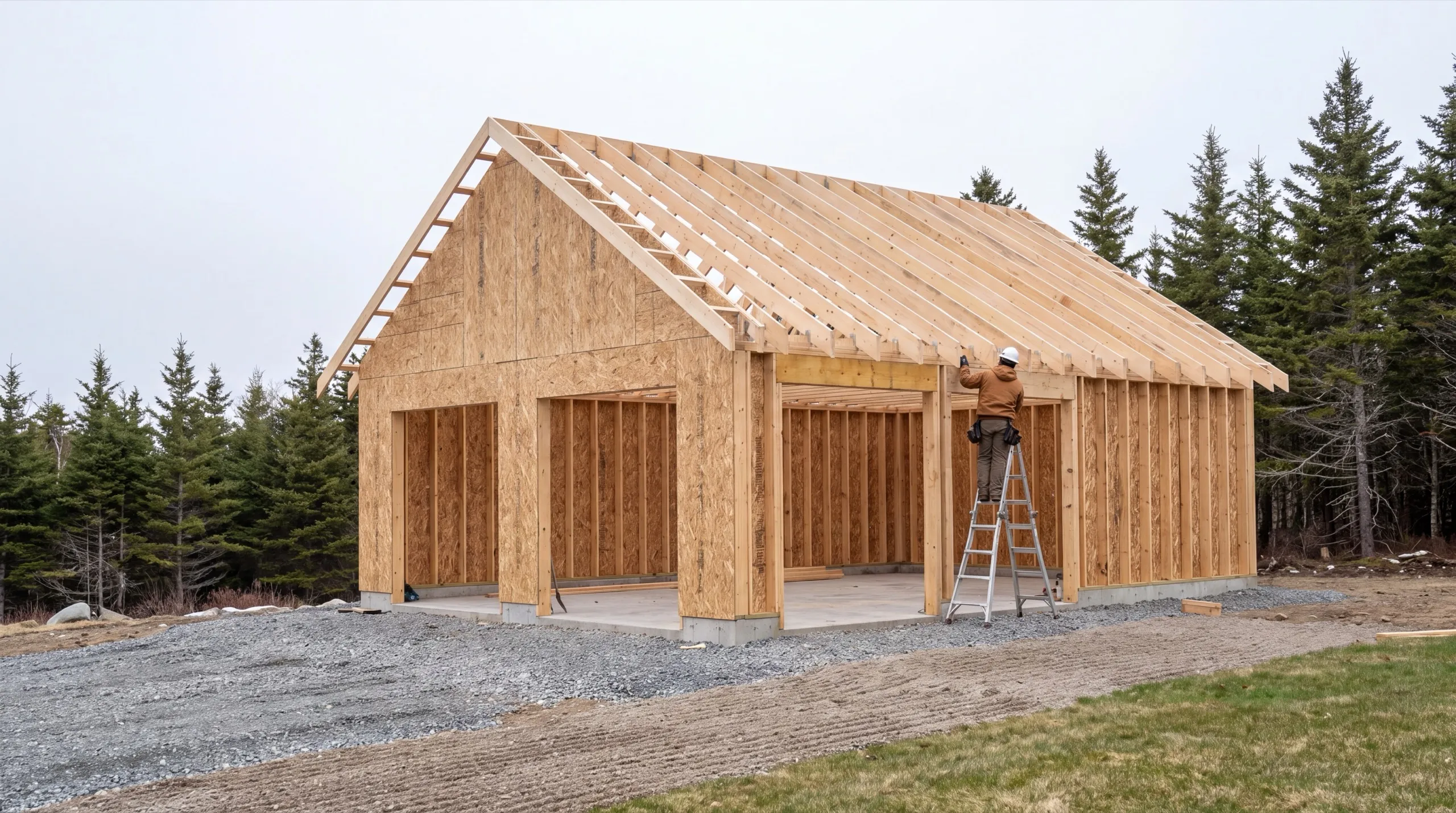
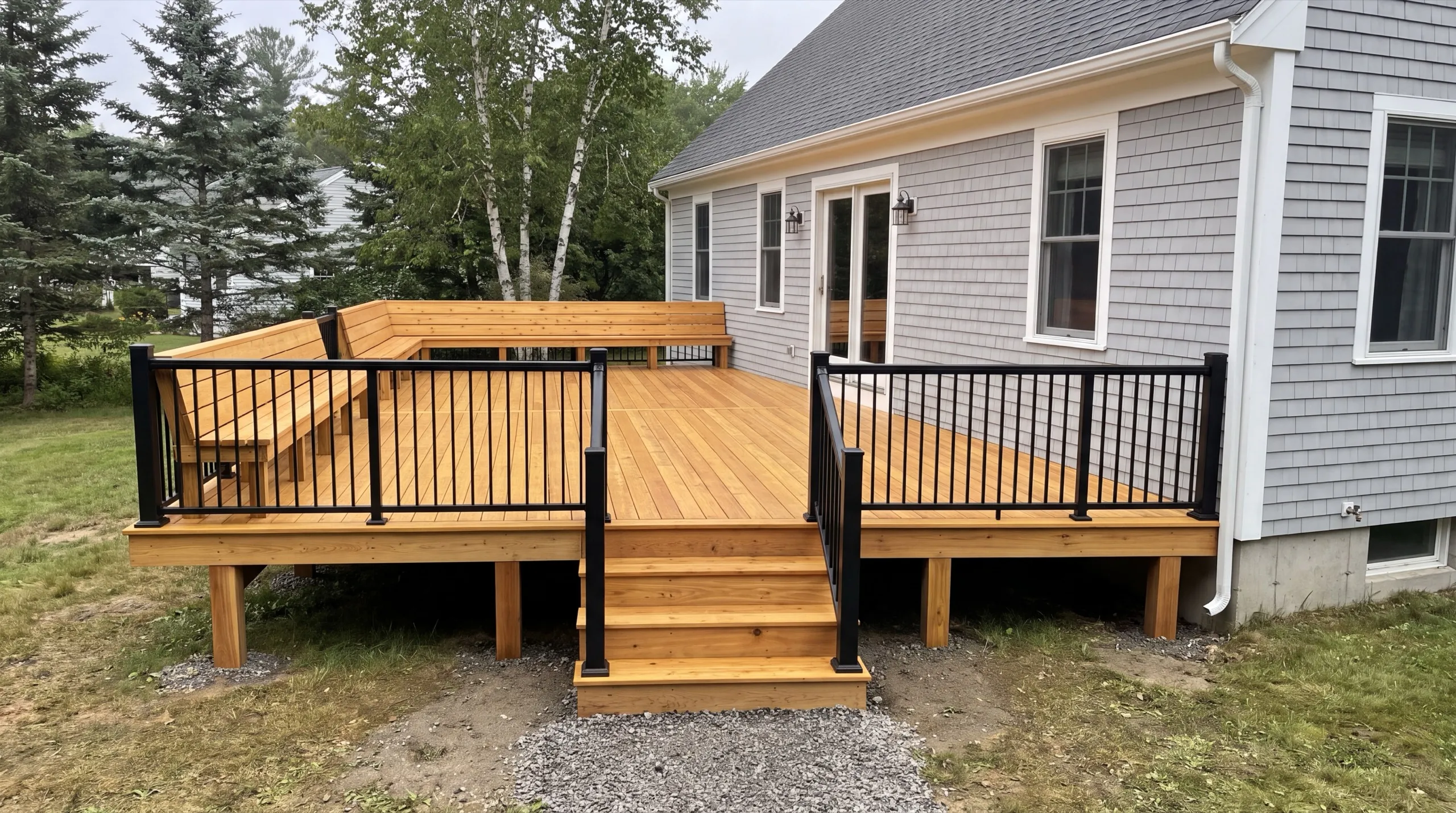
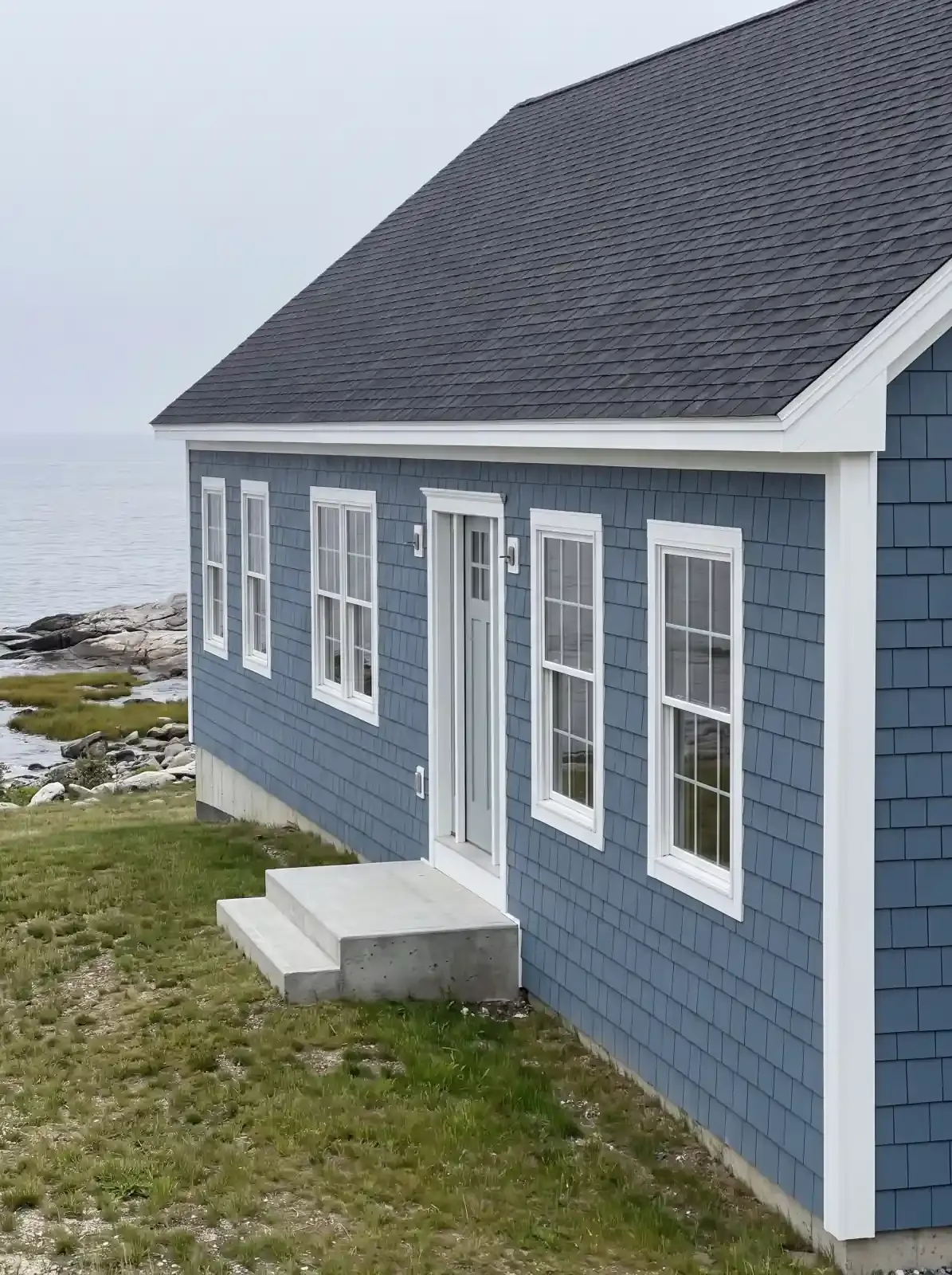
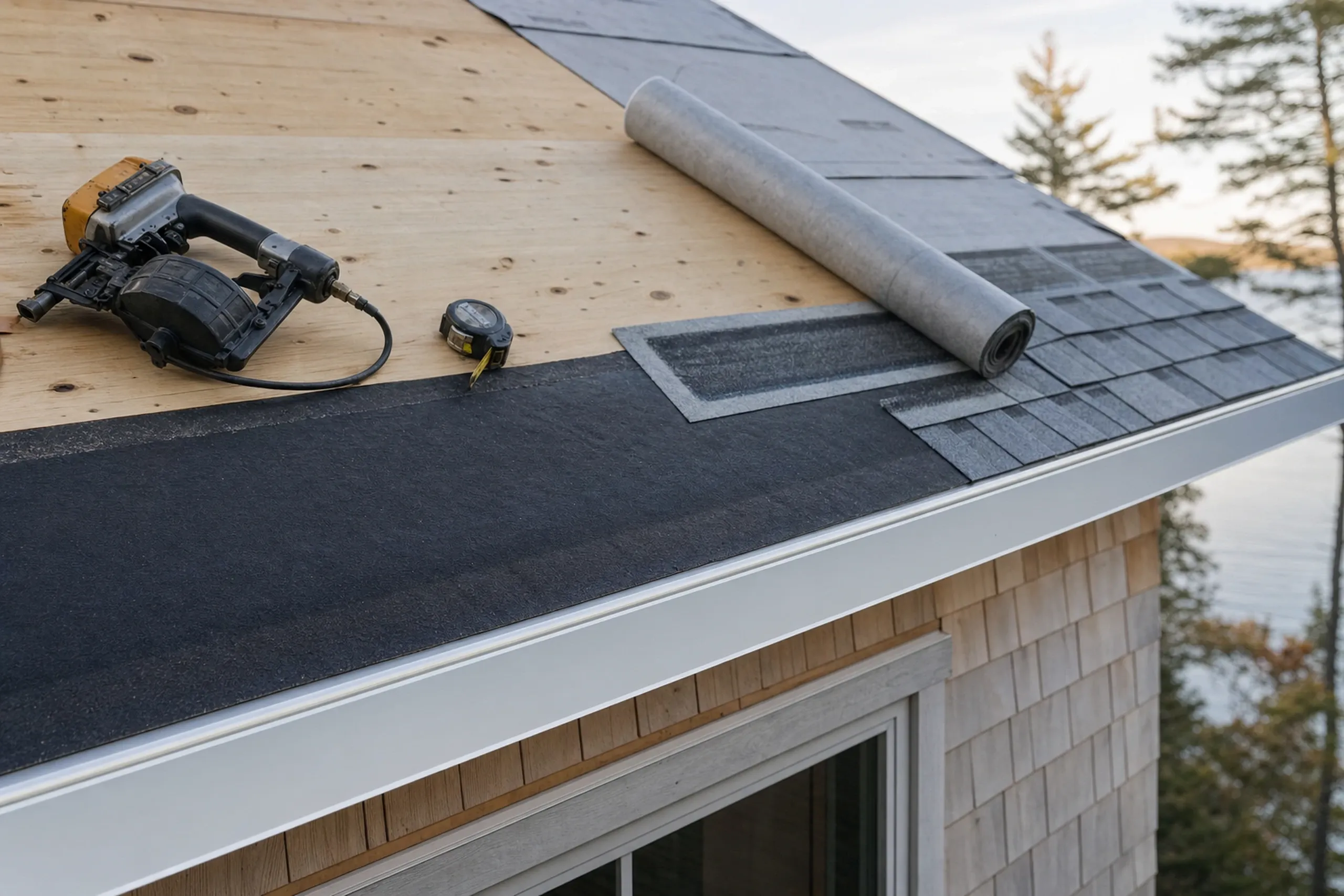
Where do our window and door contractors work?
All 30 towns. Two local factors significantly change the job.
Coastal exposure demands better corrosion resistance and better flashing detail, because driven rain and salt find any shortcut.
Historic districts can restrict what's permitted. Where a review board holds authority over exterior changes, swapping original wood sash for modern units is exactly the change that gets scrutinized, and restoring the original sash is often both the approvable path and the better outcome.
- Portland, ME
- South Portland, ME
- Scarborough, ME
- Freeport, ME
- Biddeford, ME
- Sanford, ME
- Saco, ME
- Westbrook, ME
- Kennebunk, ME
- Windham, ME
- Gorham, ME
- York, ME
- Falmouth, ME
- Wells, ME
- Standish, ME
- Kittery, ME
- Cape Elizabeth, ME
- Old Orchard Beach, ME
- Augusta, ME
- Belgrade, ME
- Bangor, ME
- Lewiston, ME
- Auburn, ME
- Sidney, ME
- Waterville, ME
- Skowhegan, ME
- Conway, NH
- Rochester, NH
- Dover, NH
- Portsmouth, NH
What are you actually buying, the window or the fit?
Homeowners shop for windows like appliances. They compare brands and ratings, then pick one.
That’s the wrong frame. The industry encourages it because brands are easy to sell.
A window is a hole in your wall. Every installation is a waterproofing detail.
Get it right and the window may work for thirty years. Get it wrong and water may leak quietly into the wall cavity for six years before anyone notices.
What actually matters:
The rough opening gets inspected. Old windows leak. When one comes out, there is often rot in the sill, the framing, or the sheathing below it. A crew on a fixed price with eight windows to do that day has an incentive not to find it.
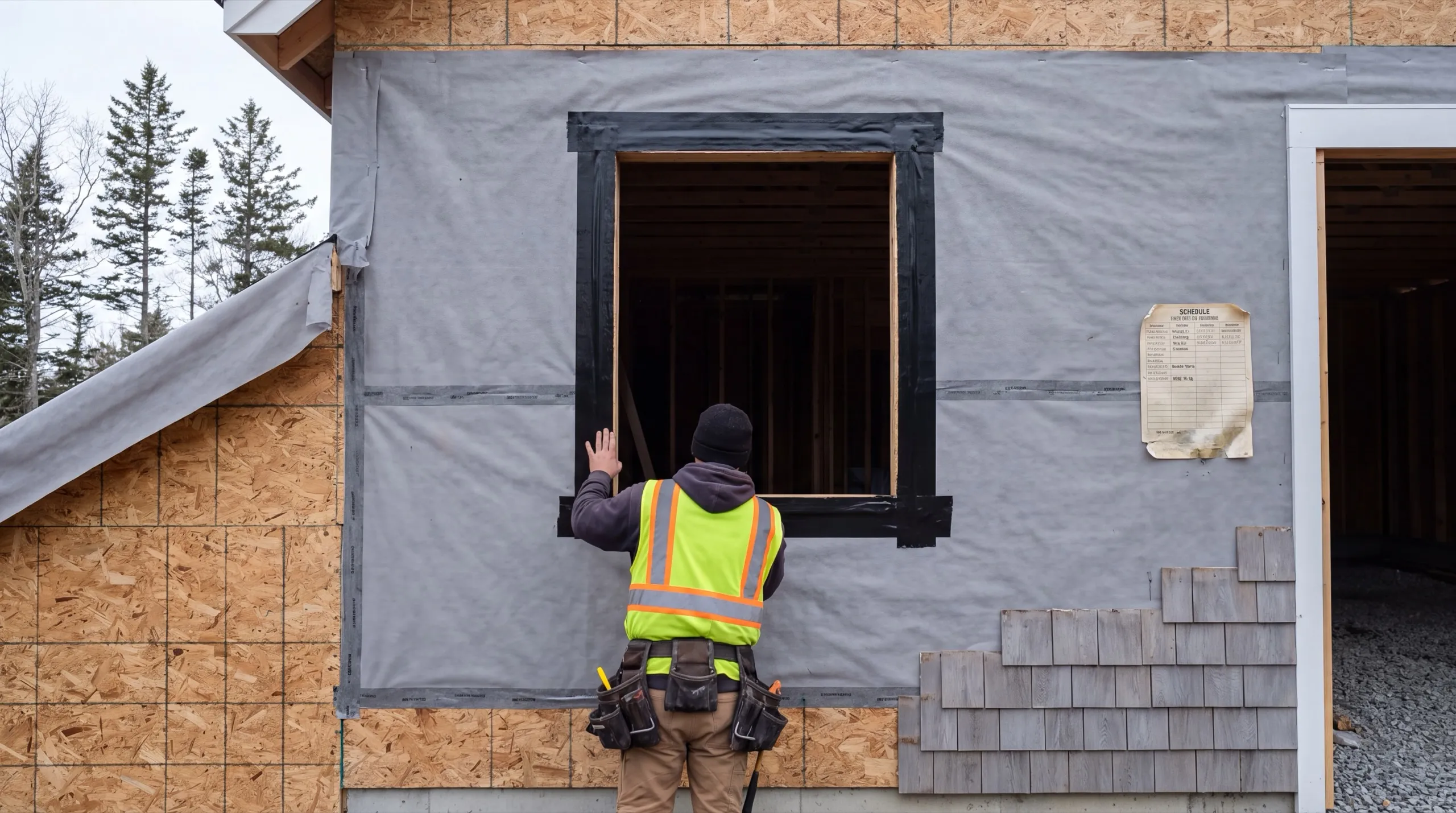
The opening gets flashed and integrated properly with the water-resistant barrier. Sill pan, correct shingle-lap sequence, and the right sealant in the right places. This is the step that separates a real installer from a fast one, and it's invisible the moment the trim goes on.
It's insulated and air-sealed correctly. Over-foaming an opening can bow the frame and stop the sash from operating. Under-sealing leaves the draft you were trying to fix.
The exterior trim and flashing shed water. Head flashing above the unit matters more in a climate with ice dams than in one without.
When three quotes give different prices for the same window, the difference is often how much of the work above is included.
Mostly, it’s people who are cold or whose heating bill is no longer tolerable.
Other reasons include rot around an old unit or a front door that’s swollen or drafty. Sometimes it’s a slider that hasn’t moved smoothly in years.
Storm damage also drives projects, as does window and door work tied to larger siding or remodeling jobs.
The work includes window replacement and entry doors. It also covers back doors, side doors, patio sliders and French doors.
Contractors install storm doors and cut new openings into existing walls too.
On glass, in a cold climate: what matters is the U-factor, which measures how much heat escapes. Lower is better and it's the number that drives your fuel bill through a heating season that runs most of the year. Solar heat gain coefficient matters too, and the trade-offs run differently than they do in a hot climate, because winter solar gain through a south-facing window is a benefit rather than a cost.
Ask the contractor for the specific numbers on each quoted unit. A brand name isn’t an answer.
On doors: an entry door is a bigger heat loss and air leakage point than most people expect, and the threshold and weatherstripping detail matter as much as the slab.
Warm weather, mostly. Sealants and flashing tapes have temperature ranges, and an opening is exposed while the work happens.
A competent crew replaces windows one opening at a time and closes each opening that same day, so shoulder-season work is realistic. Deep winter?
No.
If the windows are being installed with siding, do both together. The flashing integration is better when both are open at once, and one mobilization costs less than two.
Heating season length and ice dams.
Window work is different in a cold climate because the heating season runs through most of the year. The difference between an adequate window and a good one compounds over far more months than it would farther south, shifting the payback math toward better units.
Ice dams push meltwater backward under the eaves and around head flashing. That’s a load few window installations in mild climates ever face.
And the licensing fact: the state does not license general contractors or builders, only plumbers and electricians. There is no window installer license for anyone to check. Insurance, references, financial stability and reputation are checkable, and that's what our 10-step process checks.
One real credential: on a home built before 1978, removing windows disturbs painted surfaces and falls under lead-safe certified work practices. Federal, verifiable, and worth asking about.
The 10-step vetting process
company, crew size, service area, project types, capacity, pricing posture.
years in business, structure, ability to carry materials and labor, supplier payment history.
general liability and workers' comp certificates pulled and stored.
past homeowners, subs, and suppliers. Minimum three, not only the ones they pick.
Google, Facebook, BBB, local word of mouth, complaint and dispute search.
completed work, in person or in detailed photo and video.
speed of reply, clarity of writing, handling of a difficult question.
Contractor agreement signed
first projects watched closely, homeowner feedback gathered actively.
underperformers come out of the network.
What window and door contractor questions come up most?
Are replacement windows worth it?
Replacement windows are worth it where the heating season runs most of the year, because the savings stack up over more months than they would in a milder climate. But installation quality affects the result as much as the unit does.
What U-factor should I look for in a cold climate?
Lower is better for heat loss. Ask your contractor for the specific U-factor of the units he's quoting rather than accepting a brand name.
Can I replace windows on a historic home?
In a review district, exterior changes including windows typically require approval. Restoring original sash is often both approvable and the better outcome.
Why do window quotes vary so much?
Usually installation scope: whether openings get inspected and repaired, and how thoroughly they're flashed. Compare what's included, not just totals.
Does Seth's Home Pros install windows?
No. We're not a contractor. We make the introduction and the contract is between you and the installer.
Ready for three window and door quotes?
Tell us how many openings you have and what’s driving the replacement.