
Get 3 vetted & insured Maine contractors. What's your project?
Finding a general contractor who answers the phone and quotes honestly is harder than it should be. Finding one who finishes what he starts is harder still.
We match you with three. You pick.
Free to you. First quotes usually arrive inside a week.
- 100% free for homeowners
- Same-day response before 5pm
- 10-step contractor vetting
Most homeowners don't get burned by a bad builder. They get burned by having only one quote, with nothing to measure it against. We introduce you to three contractors who price the same scope, so you can see where the numbers agree and where one is missing half the job.
General contractors and builders carry no state registration anywhere our network reaches. Plumbers and electricians answer to a licensing board, but anyone else can print a business card tomorrow and take your deposit that afternoon, so "insured" is the only half of that phrase you can actually check.
That gap is why the screening exists: ten steps covering insurance dates, references, financial stability, work history, reputation and how well a builder returns a call. It is a snapshot, not a guarantee, and the introduction costs you nothing. First quotes usually land inside a week.
How do you hire a general contractor safely?
- Get three quotes. One quote is a number. Three is information.
- Check current insurance yourself. Ask for the certificate and read the dates, don't take a screenshot from 2023.
- Call references he didn't hand you. Ask his suppliers whether he pays on time. That one question tells you more about a builder's stability than his portfolio does.
- Get it in writing, and know that the law requires it. The home construction contracts statute where our builders work says any home construction or repair job over $3,000 in labor and materials has to be based on a written contract, unless both sides agree in writing to opt out. A handshake on a $40,000 kitchen isn't casual. It's a builder skipping a legal requirement that exists to protect you. The attorney general's office publishes a free model contract.
- Watch the deposit. That same statute caps the initial down payment at one-third of the contract price. Anyone asking for more up front is telling you something about their cash position.
Other work our contractors do
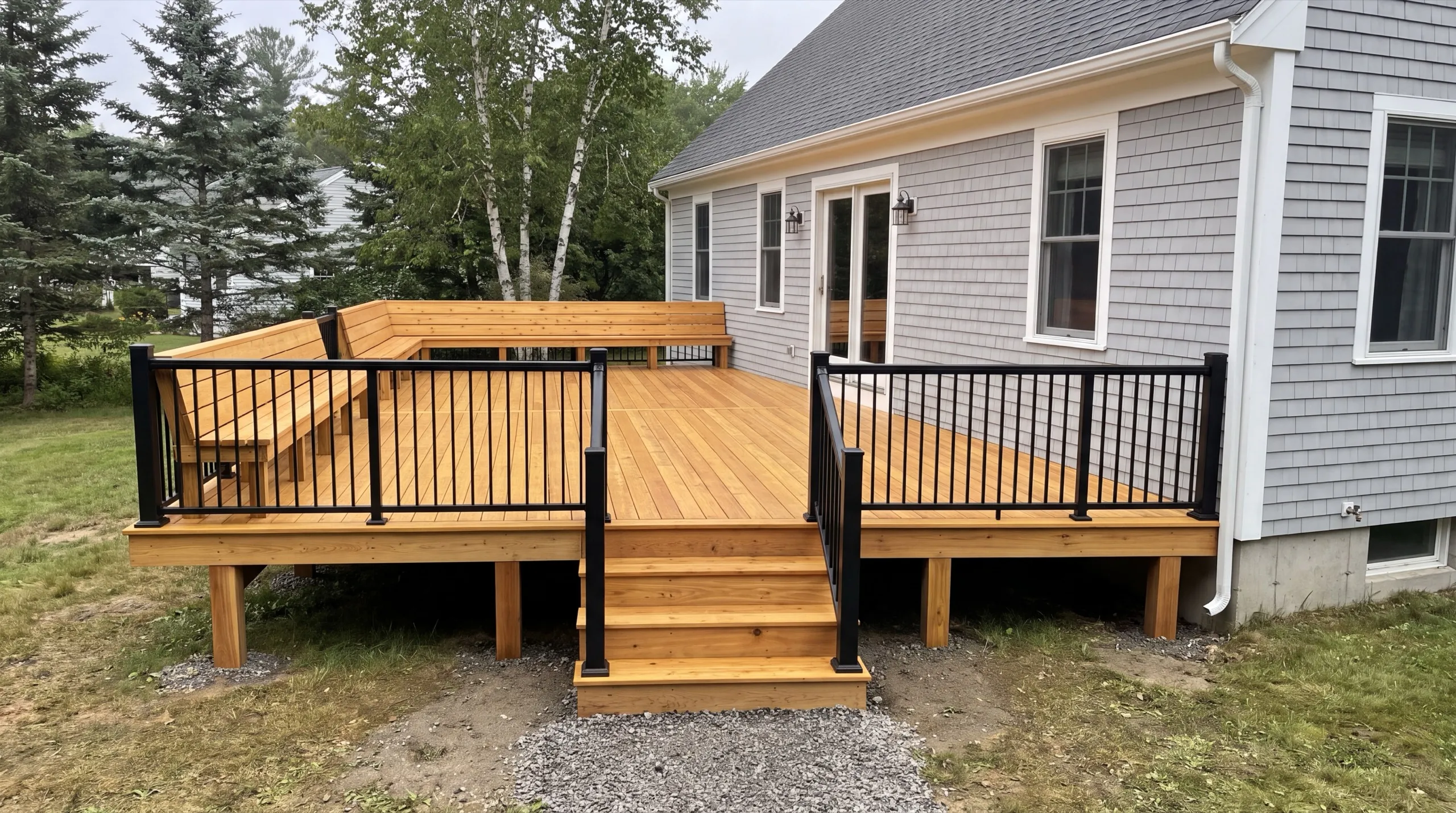
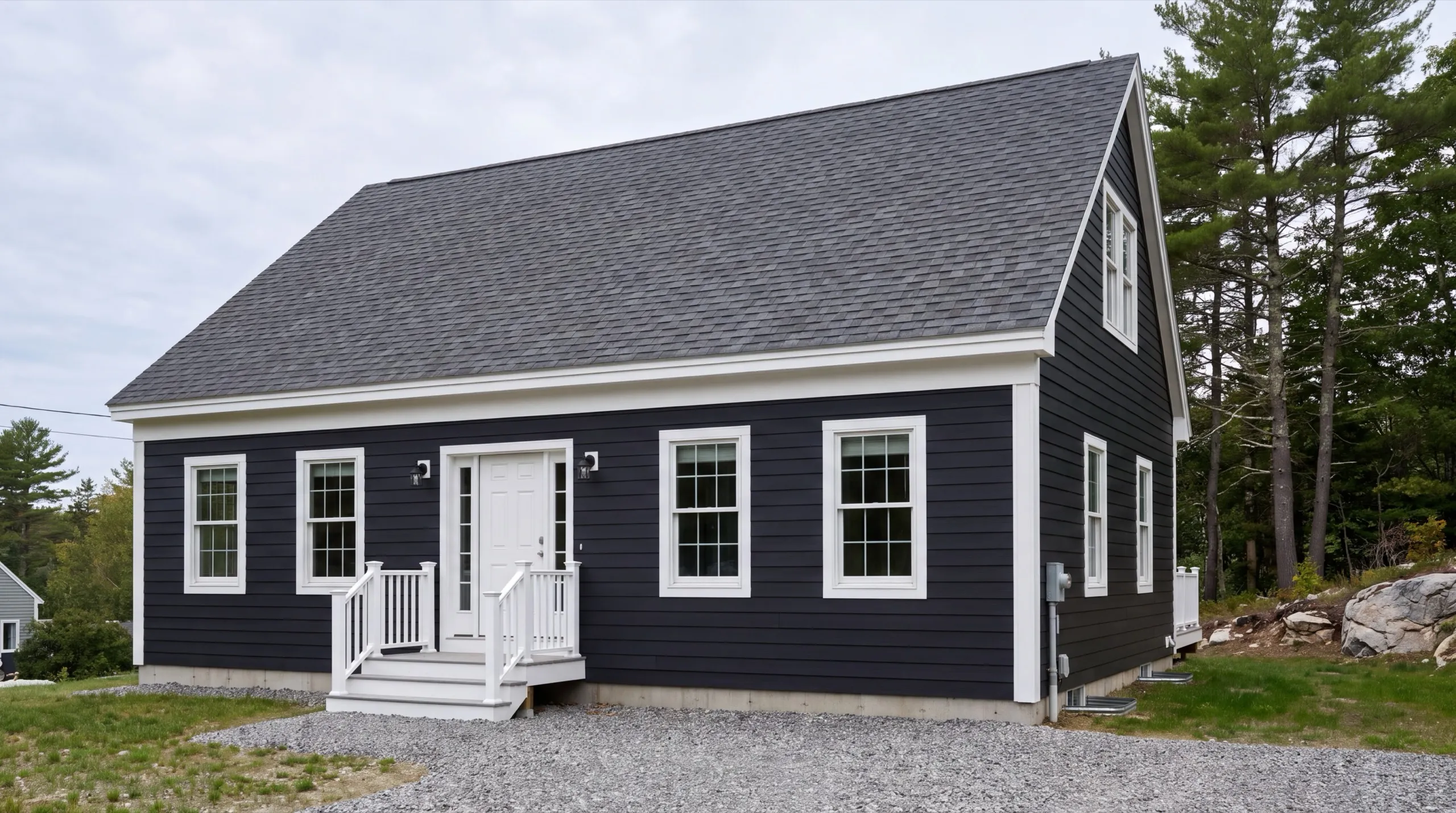
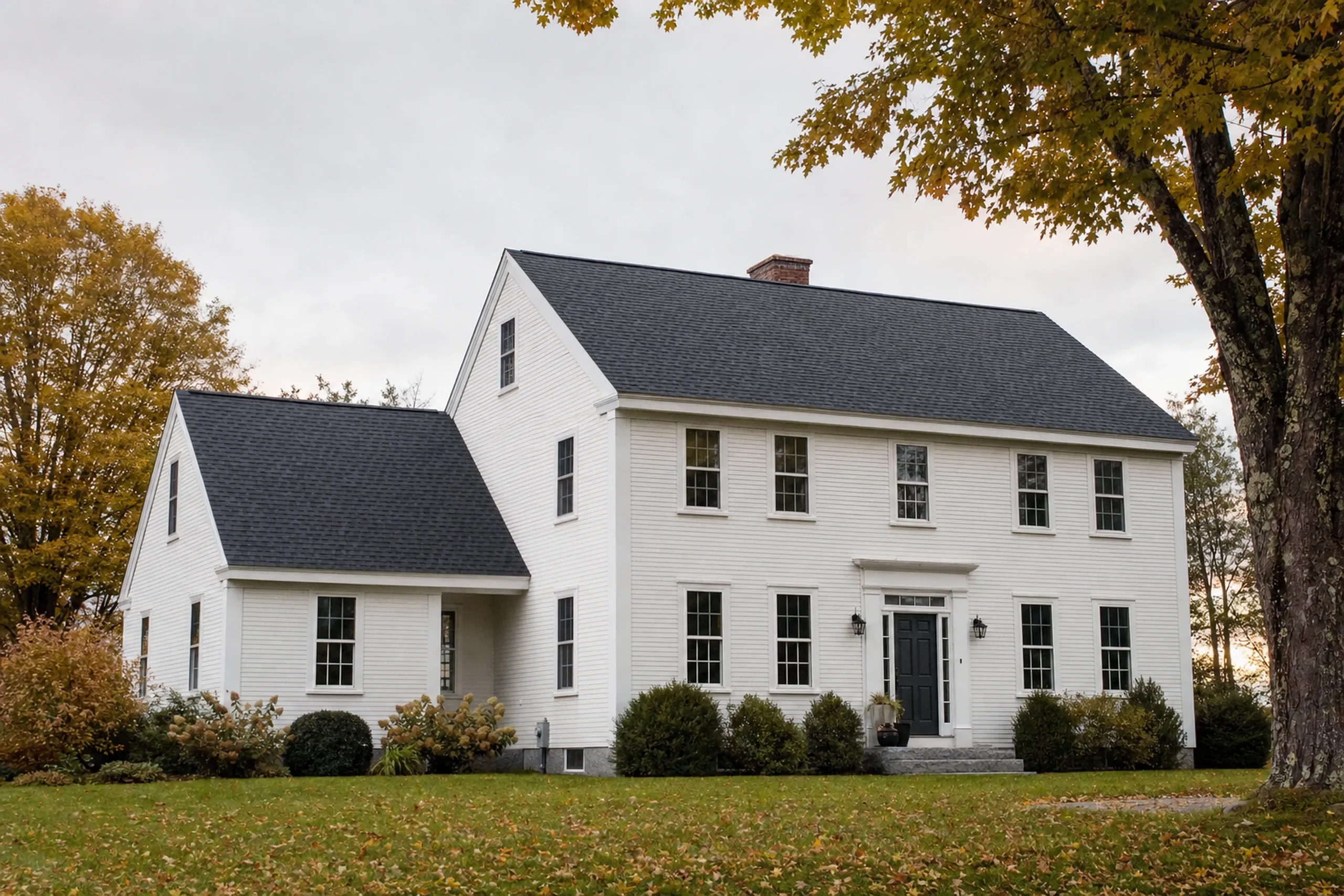
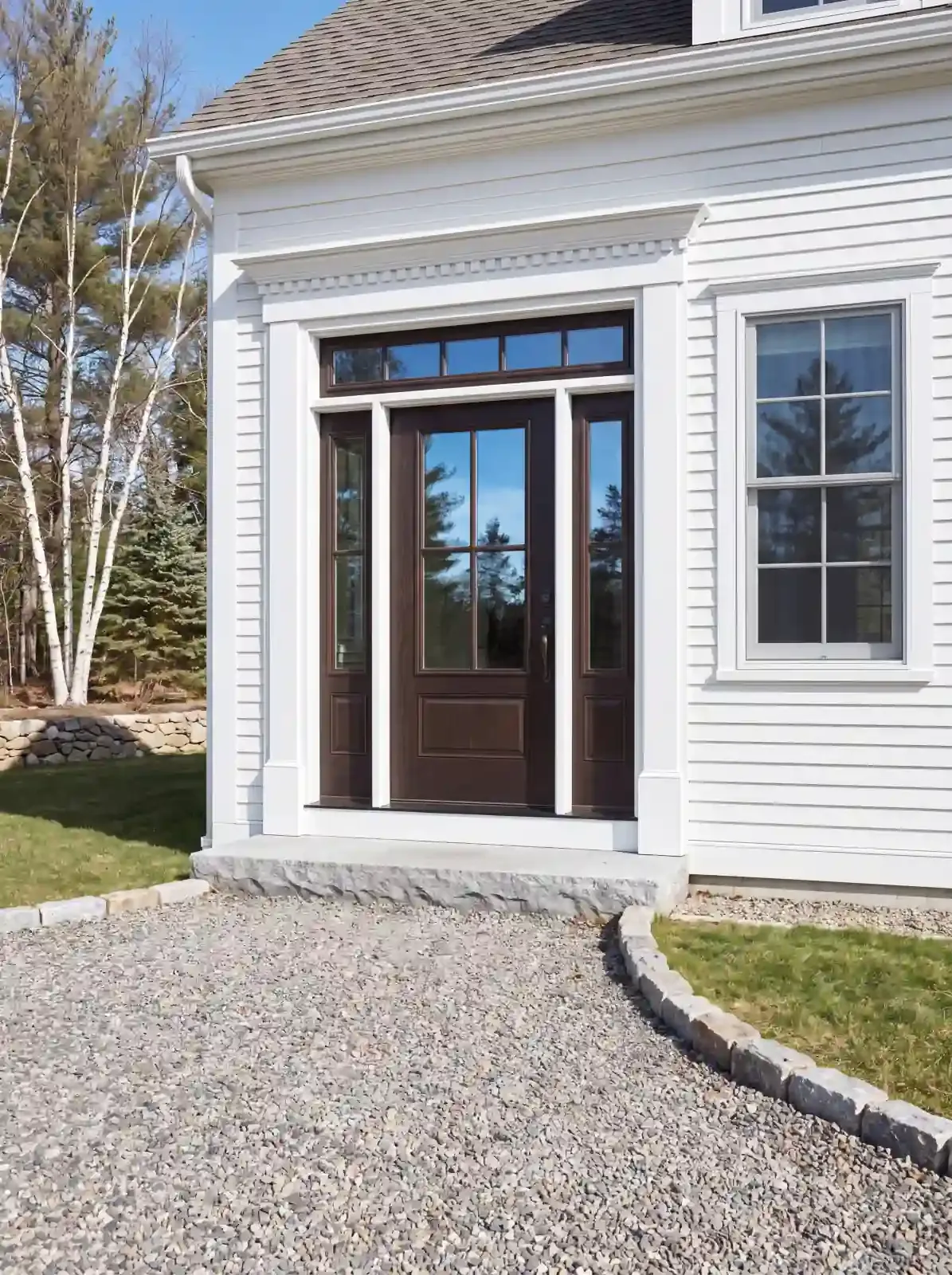
Where do our contractors work?
Our contractors work across 30 towns, and every one of those towns has its own page on this site. Each page names the build season, the permit office and the vetted builders closest to you.
That matters because a coastal lot and an inland lot don't get built the same way. Frost depth, wind exposure and the local code officer all change the job.
Pick your town below. We'll show you what building there involves.
- Portland, ME
- South Portland, ME
- Scarborough, ME
- Freeport, ME
- Biddeford, ME
- Sanford, ME
- Saco, ME
- Westbrook, ME
- Kennebunk, ME
- Windham, ME
- Gorham, ME
- York, ME
- Falmouth, ME
- Wells, ME
- Standish, ME
- Kittery, ME
- Cape Elizabeth, ME
- Old Orchard Beach, ME
- Augusta, ME
- Belgrade, ME
- Bangor, ME
- Lewiston, ME
- Auburn, ME
- Sidney, ME
- Waterville, ME
- Skowhegan, ME
- Conway, NH
- Rochester, NH
- Dover, NH
- Portsmouth, NH
What does nobody warn you about when hiring?
Most people don't get burned by a bad contractor. They get burned because they only had one choice.
You call around for three weeks. Most don't call back.
Good builders are booked, busy and under no pressure to chase work. Eventually, one guy shows up.
He walks the job and gives you a number.
Now what? You have one number with nothing to measure it against.
You don't know whether it's high or low. You can't tell if half the scope is missing, or if he's already running four other jobs.
So you sign because starting over feels worse.
Three quotes fix that. The cheapest doesn't automatically win.
With three in front of you, the real cost becomes clearer. You can also tell who understood the job.
A GC makes sense when your project crosses more than one trade.
Replacing a faucet? Call a plumber.
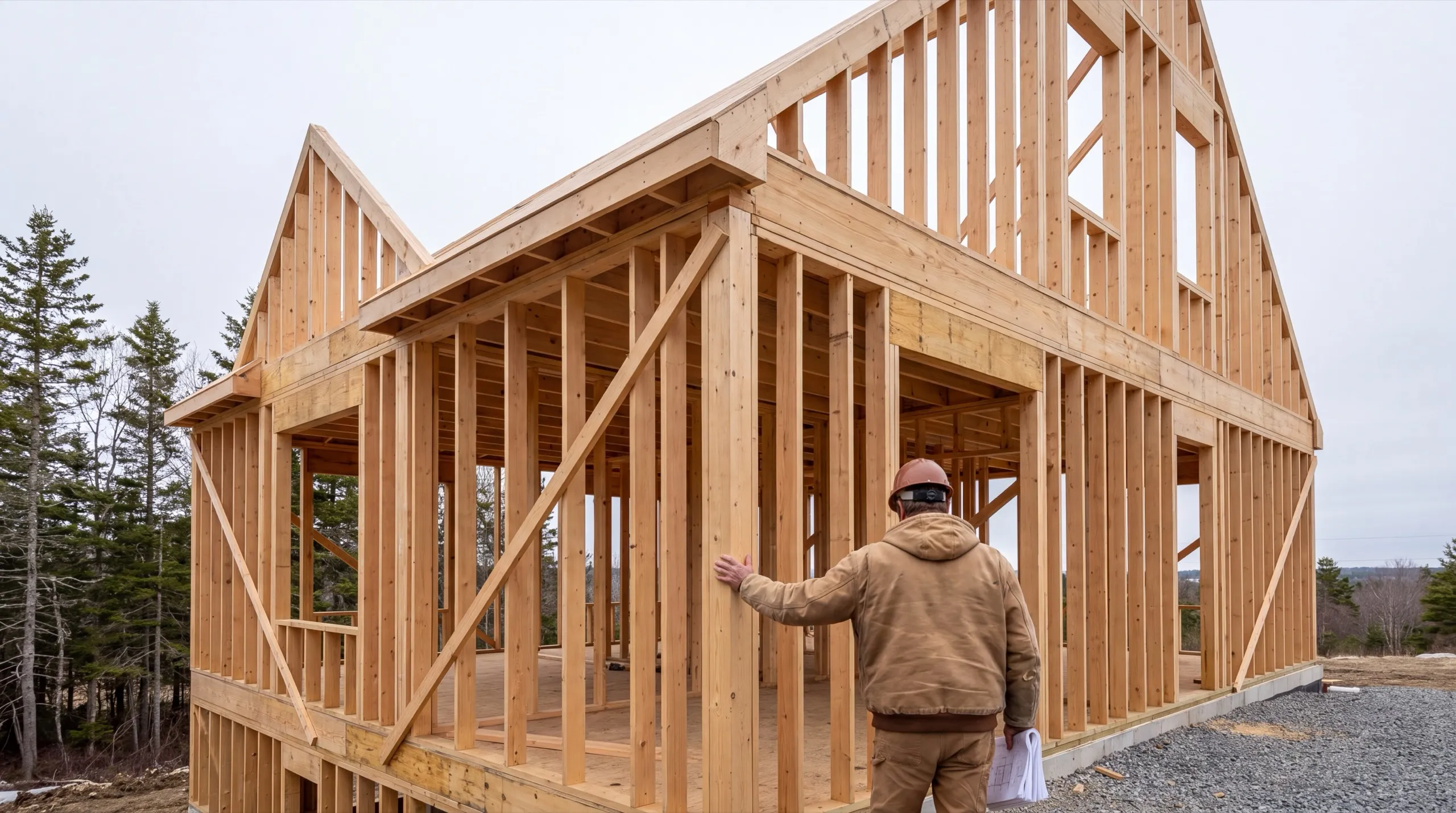
Moving the kitchen across the house requires someone to coordinate framing and plumbing, then electrical and HVAC, followed by drywall, tile and cabinets. In that order.
No gaps.
The homeowners we hear from most tried to be their own GC first. It works until the electrician arrives on Tuesday, finds the insulation unfinished and moves to another job for three weeks.
The build is what you see. The job is the sequencing.
A GC prices the work and pulls the permits. He hires the subs, sets their schedules and orders materials for the dates they're needed.
He manages inspections. When an opened wall reveals something nobody expected, he handles the change orders.
At the end, he runs the punch list nobody wants.
A renovation on an older house adds another problem: working out what's behind the walls before anyone commits to a number. Old houses get extended and chopped up.
Some were repaired by six different people across a hundred years.
Excavation waits for the frost to leave the ground. That happens later in the spring than most people expect.
Foundation work in April is optimistic. May is realistic, and frankly, we'd plan around May.
Interior work runs on the opposite calendar. Kitchens and baths go well from November through March.
So do basements. Those winter slots are the easiest ones on a builder's calendar to book.
For an inside project, winter is an advantage.
Calling in May for a summer build is a mistake. Every good builder filled his summer calendar back in February.
Hiring a general contractor needs extra vetting because no state license exists to do that vetting for you. Plumbers and electricians answer to a licensing board. Builders answer to no board at all in the states where our contractors work.
That has real consequences. Anyone can print a business card reading "general contractor" tomorrow morning, then legally take your deposit that afternoon.
There is no board or exam. There's no registration number to check.
So "licensed and insured" on a contractor's website is half a sentence pretending to be a whole one. Insurance is real and checkable.
The license isn't.
That's why our vetting relies on evidence. We check insurance certificates with current dates and review financial stability.
We call past homeowners and suppliers for references. Reputation searches follow, then a probationary period after acceptance.
The 10-step vetting process
company, crew size, service area, project types, capacity, pricing posture.
years in business, structure, ability to carry materials and labor, supplier payment history.
general liability and workers' comp certificates pulled and stored, limits appropriate to project size.
past homeowners, past subs, past suppliers. Minimum three, and not only the ones they picked.
Google, Facebook, BBB, local word of mouth, complaint and dispute search.
completed work, in person or in detailed photo and video.
speed of reply, clarity of writing, how they handle a difficult question.
Contractor agreement signed
first projects watched closely, homeowner feedback gathered actively rather than waited on.
underperformers are removed from the network.
Every contractor we introduce has passed all ten checks. Most applicants don't.
What else do people ask about hiring a general contractor?
Do I need a general contractor or a handyman?
Handyman for single-trade work. GC once the job crosses trades or needs a permit.
Do general contractors need a license?
No. State licensing covers plumbers and electricians only. Verify insurance, references, and financial stability instead.
What does a general contractor cost?
Typically 10% to 20% of project cost, built into the price rather than billed separately.
How long does it take to get quotes?
Same-day response before 5pm, and first quotes usually within a week.
Does Seth's Home Pros build the project?
No. We're not a general contractor. We make the introduction, and the contract is between you and the builder.
How much does a general contractor cost?
A GC's fee is usually included in the project price instead of billed separately. It typically runs from 10% to 20%, depending on project size and complexity.
Bigger projects carry a lower percentage.
You're paying for sequencing and accountability. Managing the job yourself saves that percentage but costs time on the schedule.
On most projects, the schedule costs more.
Full ranges by project size:
$15,000 to $50,000 · 2 to 8 weeks: decks, bath remodels, small additions, garage conversions. $40,000 to $150,000 · 4 to 12 weeks: kitchen remodels, garage builds, basement renovations. $150,000 to $500,000+ · 12 to 20 weeks: whole-home remodels, custom builds, large additions.
What happens when you call us about a general contractor?
Tell us what you're building and where. We'll line up three contractors who do that work.